
SEO Service
On-Page & Content SEO Services
Align pages, content and internal links with search intent, audience needs and commercial priorities through structured keyword mapping, content optimisation and evidence-led editorial planning.
Explore the service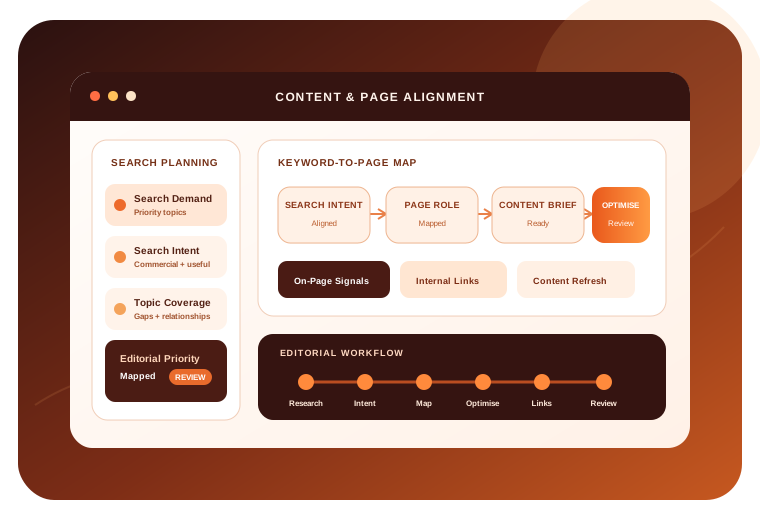
Perfect for
Structured page and content planning for clearer search alignment.
- Service-Led Websites
- Content-Rich Websites
- Growing Websites
- Competing Page Sets
Problems
When On-Page & Content SEO can help
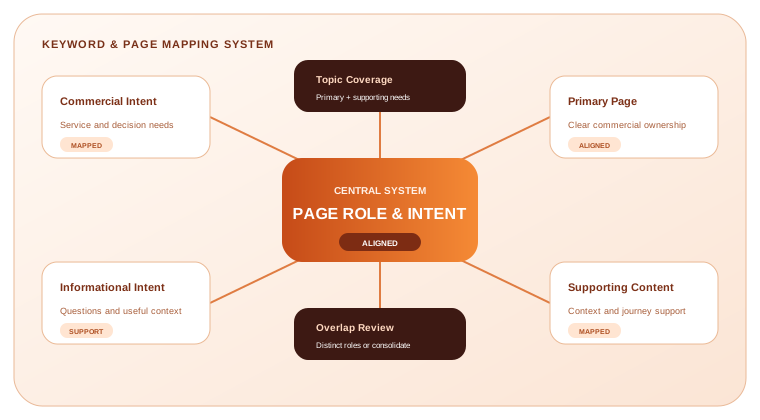
- Pages compete for similar queries or have unclear search roles
- Important searches are not mapped to appropriate pages
- Existing content no longer reflects audience needs or current business priorities
- Commercial pages lack enough useful context to satisfy search intent
- Titles, headings and page structure understate relevance
- Useful content is isolated by weak internal linking
- Publishing decisions are driven by volume rather than clear topic and journey priorities
- Outdated, overlapping or thin content needs refreshing, consolidation or repositioning
Inclusions
What On-Page SEO & Content SEO services can include
- Keyword, topic and search-intent research
- Keyword-to-page and topic-to-page mapping
- Page-role and cannibalisation review
- Existing content optimisation
- Title, heading and metadata recommendations
- Content-gap and topic-coverage analysis
- Content briefs and page outlines
- Internal-link strategy and contextual-link recommendations
- Content refresh, consolidation and pruning guidance
- Commercial and informational journey alignment
- Image, supporting-media and on-page content guidance where relevant
- Editorial priorities and post-implementation review
Approach
Intent-led, useful and evidence-informed
Map real search demand and intent to useful page roles, review how existing content serves those needs, then prioritise optimisation, consolidation, new-content requirements and internal links around relevance, user value and business context.
Our process
A focused On-Page & Content SEO workflow
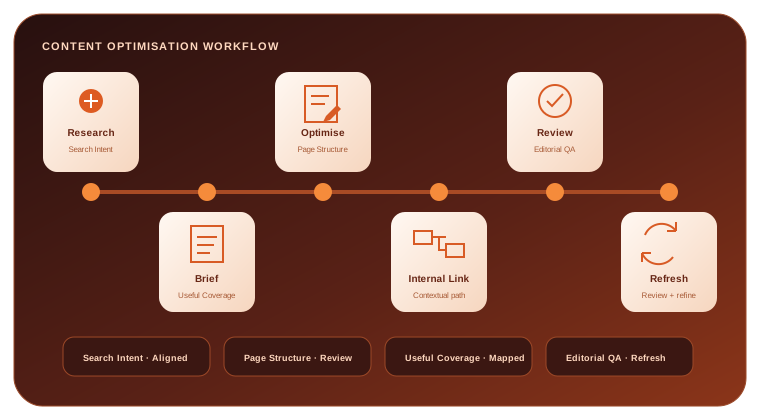
- 01ResearchDemand + intent
- 02MapTopics + page roles
- 03OptimiseContent + on-page signals
- 04MeasureReview + refine
Deliverables
What you receive from On-Page & Content SEO support
Priority searches, intent patterns and the pages best suited to serve them.
Clear page roles, topic relationships, overlap risks and content-gap priorities.
Page-level recommendations for content, titles, headings, metadata and supporting elements.
Writer-ready requirements for new pages, meaningful updates, consolidation or repositioning.
Contextual-link opportunities, publishing priorities and a practical sequence for implementation and review.
Suitable for
Who On-Page & Content SEO is a good fit for
- Businesses with commercially important pages that need clearer search alignment
- Websites with substantial existing content that needs prioritisation or refreshing
- Teams planning new service pages, landing pages or editorial content
- Sites affected by overlapping pages or unclear keyword ownership
- Marketing teams needing structured briefs, internal linking and editorial governance
Connected SEO system
Connect content relevance with the wider SEO system
Content relevance works best when wider priorities are defined through SEO Audits & Strategy, important pages remain accessible through Technical SEO, useful assets support Link Building, and location-led content aligns with Local SEO where geographic intent matters.
FAQs
On-Page & Content SEO questions, answered.
Content production can be scoped separately. Core support can include research, strategy, briefs, optimisation, editorial guidance and quality review.
No. Every page should have a useful purpose. Search demand informs page decisions where relevant, but keywords should not force unnecessary pages or unnatural copy.
Yes. Updating, consolidating or repositioning useful existing content can be more appropriate than publishing additional pages.
We review intent, page purpose and overlap to decide whether pages should remain distinct, be repositioned, consolidated or supported through clearer internal linking.
Opportunities are prioritised using search demand, intent, business relevance, existing coverage, competition, dependencies and the role each page can play in the wider journey.
No. On-page relevance and content usefulness can be improved, but rankings and traffic also depend on competition, technical implementation, authority and search-engine systems.